- Payment Options
- Terms Conditions
- Marble Arch London, W1H 7RG, United Kingdom
- she@safehavenefforts.org
On top of the physical, emotional and financial pressures, single parents still
face stigma and social exclusion, despite what they give their children
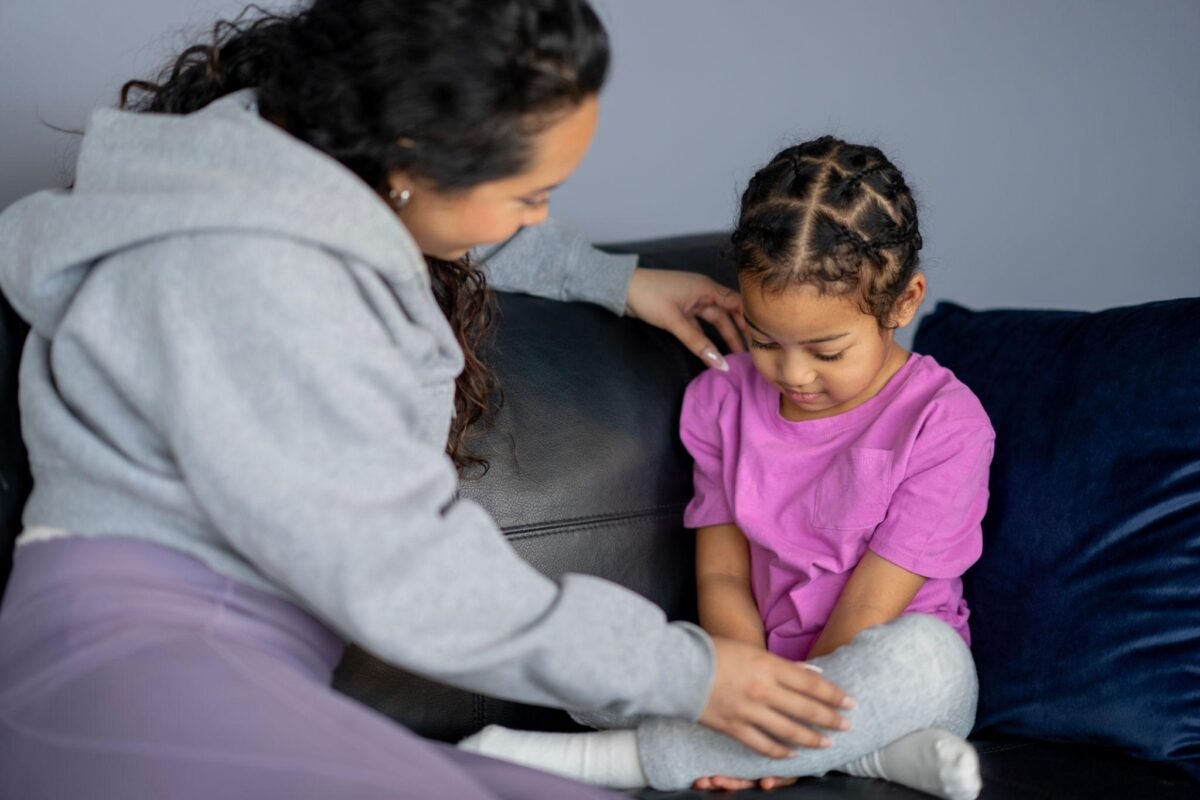
‘I have spoken to other adult children of single parents and they often reflect on the intimacy and
closeness they feel their childhood has given them.’ Photograph: MBI/Alamy
Since having my son, I have thought often about single-parent families. “I don’t
know how you cope” is a common refrain that you hear from coupled-up
parents, but I’m not about to patronize any of you. You cope because you have
to, because you love your child or children and they need you. I understand
that. I saw my mother do it, and have single parents in my extended family and
friendship groups.
What I’ve been trying to think about is more physical than that. You see, my
back hurts. It hurts from lifting the baby, and from walking him up and down
every night while singing him maudlin Irish folk songs and, I think, from the
fact that as I’m sleeping I unconsciously twist my head towards him, so I can
better hear his fluttering breaths. But when my back hurts too much, I pass the
baby to my husband, and he starts walking him up and down, and I will go into
another room, and sometimes pour a glass of wine.
It’s the absence of that small moment of respite that sticks with me. The
grinding, physical toll of caring for a child alone, even when it hurts, even when
your bones seem to ache.
We don’t give single parents much credit. In the UK, the government has
actively punished them, penalising them and their children financially in ways
both craven and heartless. Reading accounts of how single mothers are
struggling in the cost of living crisis brought me to tears last month. It seems to
me painfully unfair that, as well as facing all the physical, emotional and
financial pressures that come from looking after children alone, single mothers
continue to be heavily stigmatised in ways that are both classist and
misogynist, assumed to be “young, unemployed, feckless, uneducated, hyper
fertile” despite the data showing otherwise.
Then there’s the more subtle social exclusion, as couples tend to only socialise
with their own. I think (hope?) that my generation is less prone to this
particular form of tedious, insecure ostracism, as different lifestyles become
more common and many more women especially are actively choosing single
motherhood. But the notion of the nuclear family still holds an awful lot of
sway.
Sophie Heawood wrote beautifully, in this paper, about how it feels to live
outside that narrative, how she replaced speaking with “the nod”: “You will do
The Nod when the nursery sends your kid home with a Happy Father’s Day
card that she’s been made to copy her name on to. You will employ The Nod
when other mums say they know exactly what it’s like being a single parent
because their lovely husband works abroad for up to two weeks at a time.”
Heawood’s memoir, The Hungover Games, is a tender and funny account of
single parenthood (she calls smug coupled-up parents “the Hallouminati”) in
what is becoming a burgeoning genre that is long overdue its time in the sun. It
follows Emily Morris’s brilliant My Shitty Twenties, about the author’s
experience of an unplanned pregnancy at the age of 22. Séamas O’Reilly’s
hilarious and heartbreaking Did Ye Hear Mammy Died? recounts the
experience of being one of 11 siblings raised by a widowed single father.
In poetry, Warsan Shire’s work sheds light on the experience of both
coparenting your siblings and raising yourself. Comedy, too, is beginning to
reflect and satirise the realities of single parenting, with Katherine Ryan’s
standup and series The Duchess, and Diane Morgan’s character in Motherland
acting as important correctives; while Anna Härmälä’s cartoons are
enlightening and laugh-out-loud funny. But we still need more, and more
diverse, depictions.
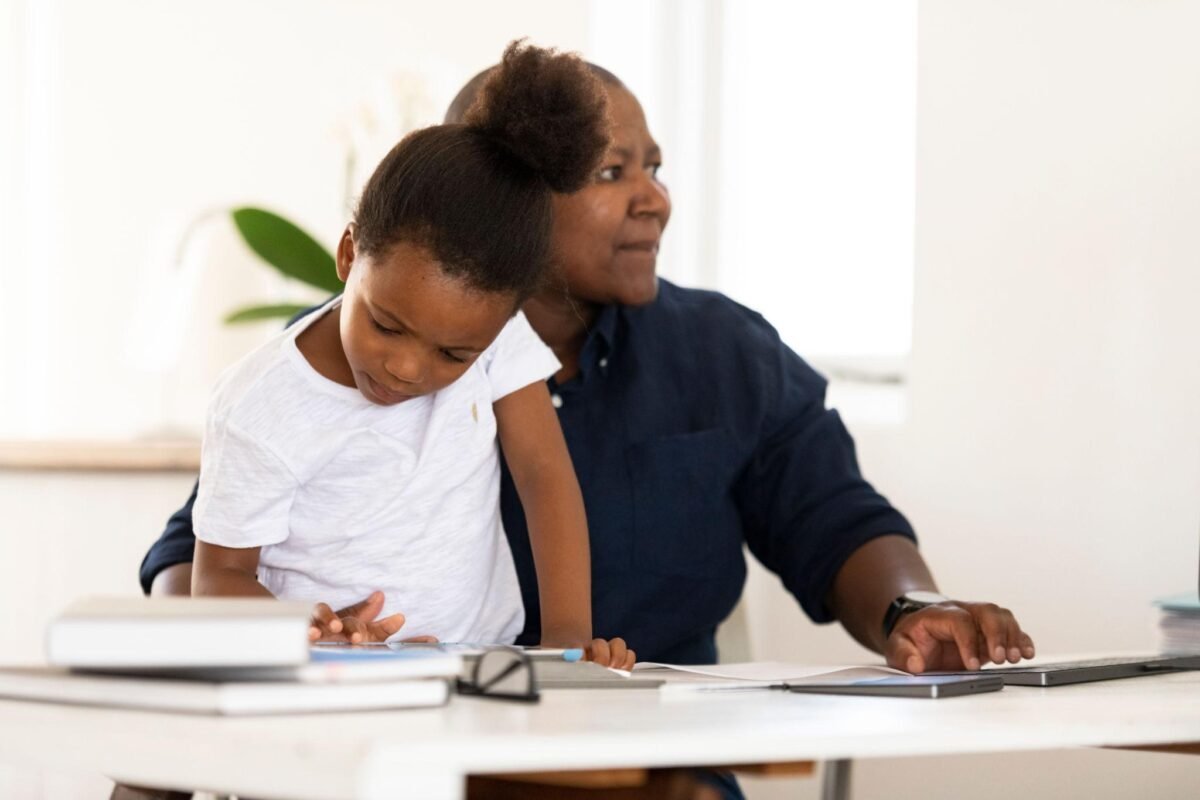
The relationship between a child and their single parent can be very special,
and this is something we rarely see. I have spoken to other adult children of
single parents and they often reflect on the intimacy and closeness they feel
their childhood has given them. Seeing your parent as a flawed and sometimes
vulnerable adult can be its own burden, as can the codependency of such a
relationship. But at the same time it can give you a far more nuanced
understanding of your parent and their inner emotional life. I have hardly seen
this specialness depicted anywhere, I suppose because it kicks so hard against
the dominant notion that a child is always better off with two parents at home,
and that the children of single parents are deprived by default. To be raised by
a lone parent can be a joy and a privilege.
It is true that half of single-parent families live in relative poverty, and this year
is going to see more and more single parents struggling to keep their children
warm and fed. It is important to highlight that and push for better government
support for single parents. But it is also crucial to say to single parents that we
see them, we support them and we recognize the work they do every day.
What’s working
My dad came to visit and gave me some crucial downtime by taking the boy out
in his pram, or “walking the songlines” as he calls it, in tribute to Bruce
Chatwin’s book on Indigenous Australian song and its connections to nomadic
travel. He says that babies are most relaxed when in perpetual movement, and
it does seem to be working. I must get out more.
What isn’t
Cars, however, don’t seem to have the same effect. We’ve spent yet another taxi
ride with the boy screaming in his car seat, my nerves shot to shreds as we are
deposited on the pavement, both of us in tears. I assumed that my customer
rating would be through the floor by this point, but I’ve been touched and
humbled by how kind cab drivers have been to me, and how often they have
said: “Don’t worry, I have children myself.” In these low moments, small
kindnesses really help.
Rhiannon Lucy Cosslett is a Guardian columnist and author
We stand for hope, compassion, and action. Our mission is to bring relief to those in need, create lasting change, and inspire kindness across communities.
© Copyright Safe Haven Efforts


Leave a Reply